Midea and Inverter Technology: energy savings of almost 50%
The new paradigm that is here to stay in the home appliance market More and more companies are redefining the values of their brand [...]


The new paradigm that is here to stay in the home appliance market
More and more companies are redefining their brand values and putting caring for the environment first. That is why numerous companies renewed their lines of home products by incorporating a new system into their devices: Inverter Technology.
What does it consist of? Firstly, it allows the appliance to better regulate the voltage, current and frequency of the device, saving between 20 and 25% and, in some cases, up to 40 or 50% of energy. This technology, which is mostly applied to refrigeration equipment, offers other benefits such as greater durability and low noise level. Inverter units also have higher energy performance than equipment that does not use this system.
Inverter appliances not only help the planet, but they also help consumers' pockets. Economic savings go hand in hand with reducing energy consumption, although this depends on several factors such as the daily use of the equipment, its installation and also location.
The company Midea, a leader in the electrical appliances industry for its sustainable products with inverter technology, states that of all the appliances marketed in Argentina, air conditioners are the ones that apply this saving technology the most. In this case, the Inverter system allows the equipment to regulate the power of the compressor depending on the ambient temperature and thus manages to reduce energy consumption by up to 35%.
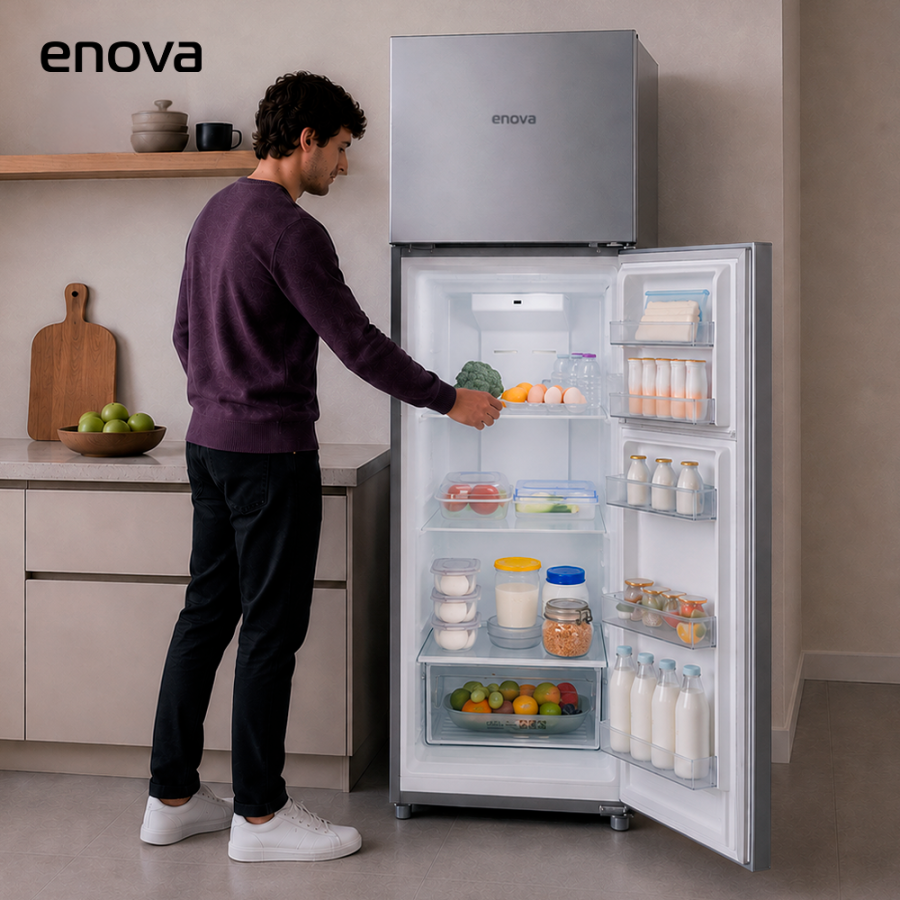
However, air conditioners are not the only eco-friendly appliances, Midea also has refrigerators, washing machines and washing machines with inverter technology.
Midea, with its extensive product portfolio and large production capacity, stands out in the industry for promoting environmental care and for continuing to surprise with the latest in home appliance technology.



Latest news

Outstanding sector