New payment methods in Argentina: an unprecedented transformation
New technologies redefine the ways consumers pay and retailers are already echoing these trends.


According to a BCRA study, each Argentine adult has made, on average, 25 monthly payments by electronic means during the first half of 2023, a historical maximum. New technologies redefine the ways consumers pay and retailers are already echoing these trends.
Today, people find themselves at the epicenter of a technological revolution that is redefining the way they interact with money. With the increasing adoption of technologies such as NFC (Near Field Communication), the growth in the use of cashless payments and the rise of ewallets, the landscape of payment methods in Argentina is undergoing an unprecedented transformation.
Widespread access to mobile devices and advances in connectivity are driving the preference for mobile banking and virtual wallets over cash. To better understand this evolution, Naps -a leading company in Latin America in Unified Commerce solutions for regional retail- addresses three trends that will mark the future of payment methods.
NFC: The next generation in contactless transactions
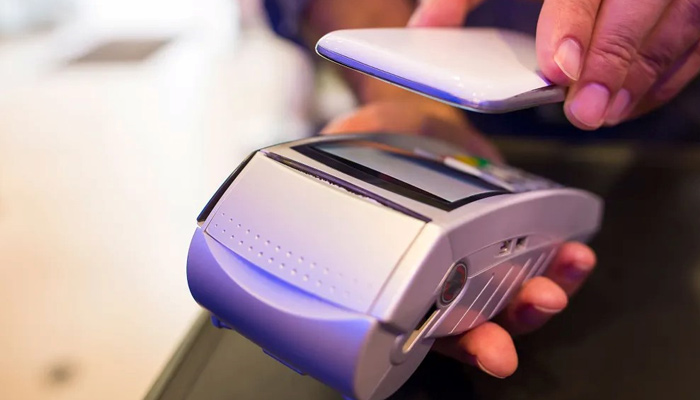
The NFC technology – a short-range, high-frequency wireless communication system that allows data exchange between devices – has become a fundamental pillar in the electronic payments industry. Thanks to its features, this solution allows for fast and secure transactions with just one touch.
According to the study Digital payment trends in Latin America 2023 prepared by Payments and Commerce Market Intelligence (PCMI) together with Kushki, during 2023, in Latin America these types of operations represented more than 35% of all card purchases in stores in the region surpassing the 70% in Chile, Guatemala and Costa Rica, and the 50% in Peru, Colombia, Panama, Nicaragua and El Salvador. Likewise, according to data from VISA, In Argentina the adoption of this type of technology is around 42%.
By 2024, contactless payments are expected to continue to rise across a wide range of sectors, providing consumers with a frictionless payment experience.
Cashless: The absence of cash in the digital environment
The trend towards transactions cashless, or cashless, is gaining momentum around the world. With the proliferation of digital payment options such as credit cards, bank transfers and payment apps, more and more people are adopting a cashless lifestyle.
Cashless payments involve the use of electronic payment methods, such as debit and credit cards, as well as electronic wallets, instead of physical currency. This trend is driven by factors such as convenience, security, and the growing acceptance of technology in society.
According to the Financial Inclusion Report of the Central Bank of the Argentine Republic, in the first half of 2023, Each adult made an average of 25 monthly payments by electronic means, a historical maximum. In addition, Immediate transfers and transfer payments (PCT) were positioned as the payments most used by the adult population, almost 6 out of 10 electronic payments were made through these means.
E-Wallets: The revolution of digital wallets
Virtual wallets have become a popular option for consumers looking for a more convenient and secure way to manage their money. Through these platforms, users can make payments online, in physical stores, and even peer-to-peer transfers with ease.
According to the latest study carried out by Kantar Argentina Insights division titled Payment method: Key allies for the current context, 9 out of 10 Argentines have at least one means of payment. The debit card registers the highest penetration (73%), while Digital wallets reach 6 out of 10 Argentines, and already surpass credit cards (5 out of 10). This increase is especially notable in the group of young people between 25 and 34 years old, with 76% adoption, in users of medium and high socioeconomic levels, as well as in Greater Buenos Aires.
"The evolution of payment methods is a reflection of the dynamism of technology and its impact on daily life. Without a doubt, with the great advance of digitalization it has redefined the way in which people operate, providing greater convenience, security and efficiency. At Napse, we will continue working to promote the development and adoption of innovative solutions such as Vtol, an omnichannel tool that allows the integration of service points with the systems used in the commercial process, which accompany this new era of means of payment. digital payments and provide both merchants and consumers with the necessary facilities to operate in this new scenario.” Said Martín Malievac, Director of Research and Development at Napse.
Source: Napse



Latest news

Mother's Day: the perfect gift among the diversity of small appliances and the latest launches in personal care.

Outstanding sector