
Intelligent connectivity and the digital transformation of retail
The use of Artificial Intelligence (AI) and the Internet of Things (IoT) has evolved rapidly in recent years. By massively using the [...]


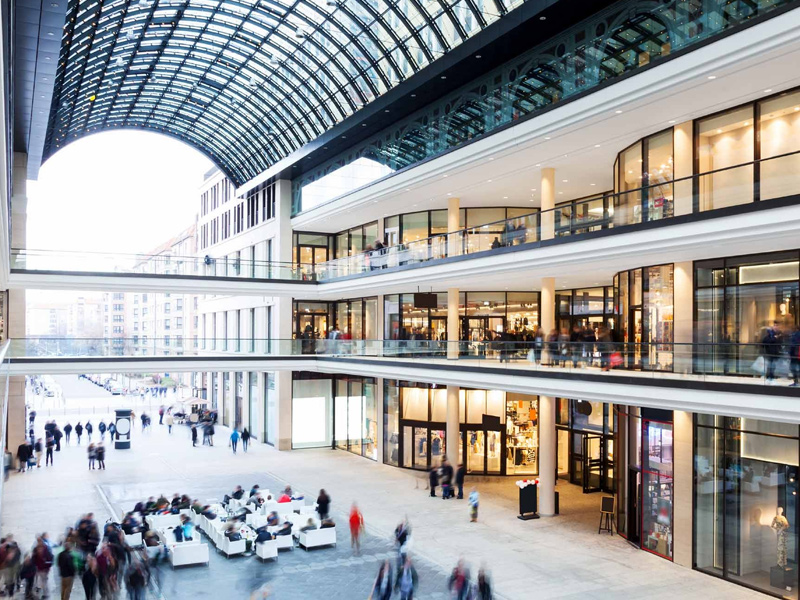
The use of Artificial Intelligence (AI) and the Internet of Things (IoT) has evolved rapidly in recent years. By using mobile devices massively in retail, we see how the fusion of 5G with AI and IoT, now coined as “smart connectivity,” is driving the digital transformation of retail commerce.
Intelligent connectivity is creating the opportunity for new business models. Currently, we are in the fourth emergence of retail sales: Internet sales. The growth and impact of online shopping has affected the retail sector, leading them to investigate how to use new technologies to personalize their in-store experience.
Smart Connectivity Use Cases:
Testers of the future
Smart mirrors, which use intuitive technologies, could act as digital assistants giving shoppers virtual access. These mirrors could use a combination of visual and gesture recognition technologies to identify items being tested, allow selection of alternatives, or request other selections to be brought up from the floor.
Multipurpose robots
Browsing large, warehouse-style stores can be frustrating, and shoppers often have questions that the product packaging lacks. Autonomous mobile robots (AMR) can be summoned to a location to help shoppers quickly navigate to the merchandise they are looking for. Still, latency is a huge challenge for robots. To operate at levels of intelligence that will seem natural and engaging to humans, 5G's millisecond latencies can help with the real-time analysis, reasoning, data adjustment, and optimizations needed for this level of AI.
Virtual Reality Marketing
Using virtual reality (VR) and eye-tracking technology, shoppers can walk through a virtual store and provide insights into consumer behavior in real time. By being able to change settings virtually, retailers can get results faster and on a larger scale. However, network performance can disrupt VR applications, affecting the user experience. 5G can deliver a hundredfold improvement in traffic capacity to a virtual reality application.




Latest news




Outstanding sector