
64% of consumers prefer to receive their purchases at their homes
According to NubeCommerce, a report carried out by Tiendanube, 64% of digital consumers prefer to receive their purchases at their homes, while in 2020 [...]


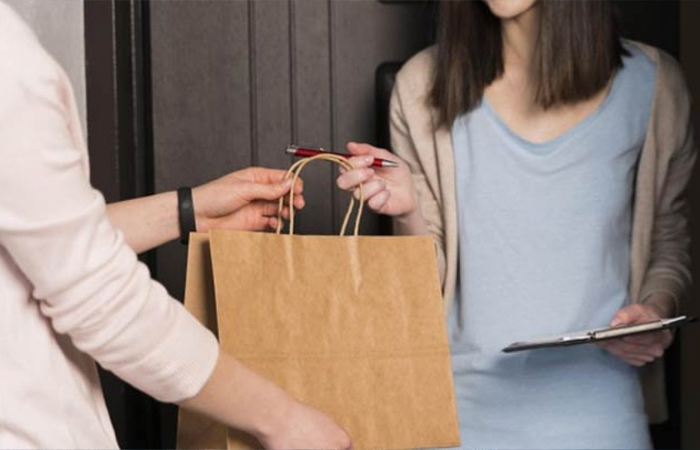
According to NubeCommerce, a report carried out by Tiendanube, 64% of digital consumers prefer to receive their purchases at their homes, while in 2020 it was 60% and in 2019 only 39%, which shows an increasing trend.
"There is no point in selling when the customer's experience with delivery is poor, the digital consumer seeks greater speed and facilities to track or schedule the delivery time of their orders; these are not temporary requests or motivated by a temporary nature, we are talking about the new habits and demands derived from the growth and consolidation of electronic commerce in the last two years," says Antonio Rivero, commercial director of Napse.
Faced with this scenario, in which the needs of buyers have changed, Napse shares 3 key points for businesses to achieve efficient logistics and make successful deliveries that attract more consumers.
1. Inventory control
Having visibility and adequate management of available stock is one of the biggest logistical challenges of any company. There is no greater disappointment for a customer than purchasing an item and waiting for it on a certain date, only to receive a notification that the product is not available or will arrive later than estimated. In addition to harming sales, these situations affect the credibility of the business and generate negative reviews.
Businesses need to know how many pieces of each product they have available in stores, warehouses or distribution centers, to better calculate the time in which a delivery can be made. This is possible with the implementation of an Order Management System (OMS) to centralize all the information that circulates through the different channels, which also allows for better use of available resources.
2. Optimization and delivery options
By knowing where each product is located, companies reduce the need for inventory investments and become more efficient in giving the consumer what they want, when they want it, through different options both in terms of delivery time and cost.
Currently, it is not enough to plan in an analogical way based on the regions or delivery areas, since it is possible to use tools that calculate the levels of vehicular mobility by area and time, to make a greater number of deliveries per day and at a lower cost. If you do not have your own resources, it is best to turn to reliable transportation partners that offer the same level of quality as the store.
3. Communication and shipment tracking
Among the most recurring complaints in this process, the difficulty of knowing the delivery day, scheduling the time and problems in tracking the exact location of the orders stand out, so expanding communication through different channels and sending notifications in real time can make the difference between closing a sale or not.




Latest news




Outstanding sector