5 furniture trends that are influencing consumption in Argentina
From design to functionality, these trends reflect how consumer habits are changing and what opportunities are opening up today for furniture retail in Argentina.


In a more selective consumption scenario, the furniture retail in Argentina faces the challenge of offering proposals that combine design, functionality and rotation. The final consumer today arrives at the point of sale with more information, more limited spaces and clear expectations about comfort and aesthetics. Identifying these signals allows us to understand where demand is directed and which proposals arouse the most interest.
1. Organic shapes: less rigidity, more visual comfort
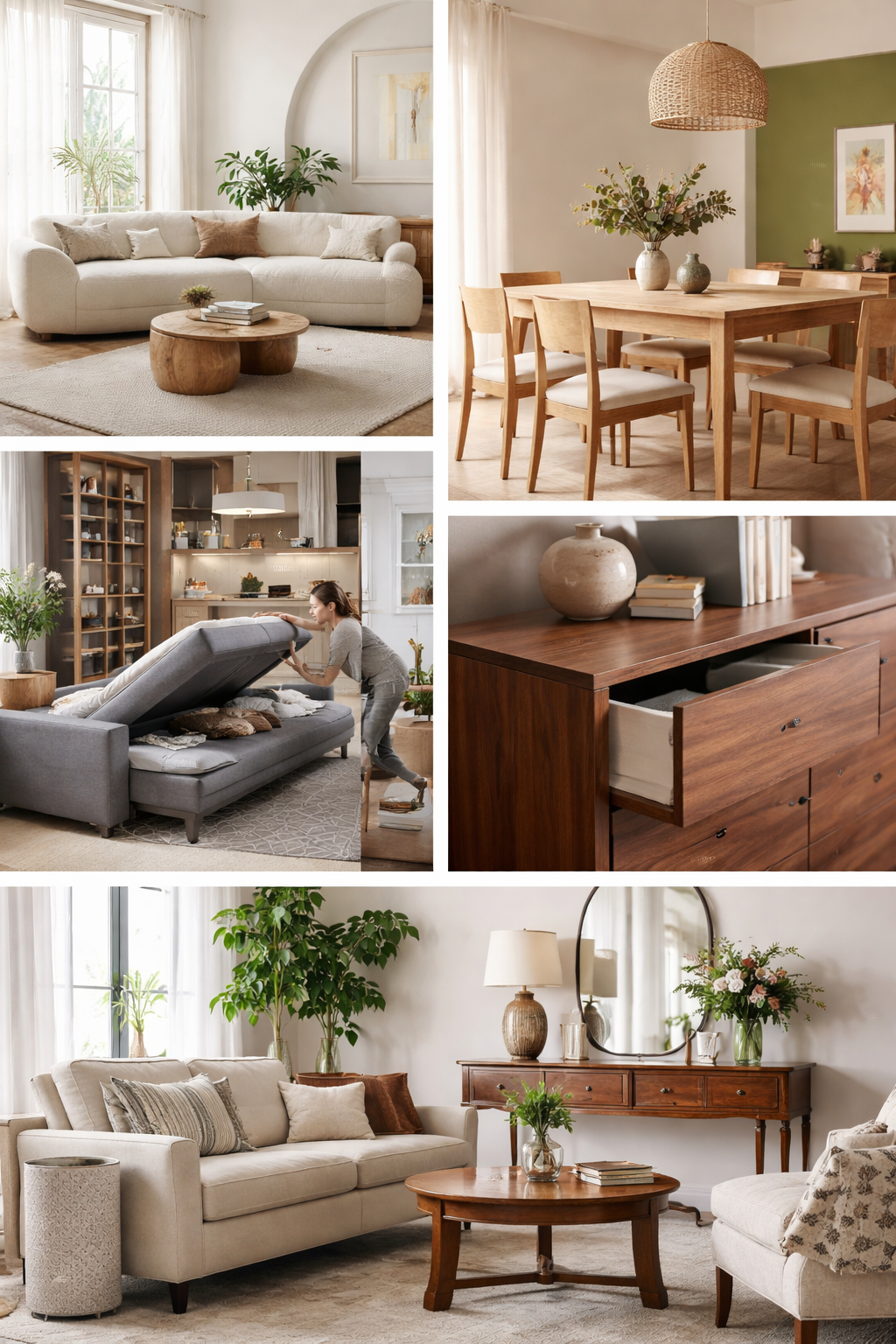
Curved lines are gaining ground over straight and minimalist designs. Sofas with enveloping backrests, low tables with rounded edges and armchairs with soft silhouettes prevail in living rooms and common spaces.
Example: curved sofas upholstered in bouclé or corduroy fabrics, oval coffee tables and armchairs without marked angles that provide a feeling of warmth and movement to the environment.
2. Natural materials and warm palettes
The search for more welcoming spaces is reflected in the use of visible woods, marked grains and colors inspired by nature. Shades such as beige, sand, terracotta, olive green and soft browns dominate current collections.
Example: dining tables in natural wood, sideboards in light tones or upholstered chairs in earthy ranges that easily combine with different home styles.
3. Furniture that adapts to small spaces
With increasingly compact homes, consumers prioritize versatile and functional pieces. Furniture that fulfills more than one function or adapts to the space becomes the protagonist.
Example: extendable tables, modular sofas that allow different configurations, beds with storage space or open libraries that function as a room divider.
4. Quality and durability as purchase value
Beyond the aesthetic trend, appreciation for well-built furniture designed to last is growing. The consumer pays attention to materials, finishes and manufacturing processes.
Example: solid wood structures, reinforced hardware, high-resistance upholstery or furniture manufactured with responsible production criteria that add perceived value.
5. Renewed classics: design with identity
Traditional styles return reinterpreted with simpler and more modern lines. The result is timeless furniture that combines elegance and functionality, and that easily integrates into different homes.
Example: classically inspired armchairs with straight legs and neutral upholstery, traditional dining tables with lighter profiles or chests of drawers that combine retro design and modern finishes.
For retail, the challenge is not only to add new features, but to organize the offer, build coherent lines and correctly communicate the value of each piece of furniture. Interpreting these signals allows you to optimize the assortment, improve the in-store experience and accompany a demand that prioritizes practical solutions without sacrificing aesthetics. In a competitive context, anticipate trends and translate them into concrete proposals It becomes a key tool to strengthen sales and the relationship with the end customer.




Latest news

Outstanding sector