More chatbots and less telephone
Customers turn to new technologies to contact companies, but there is still much to do. Consumers change, all the time. He [...]


Customers turn to new technologies to contact companies, but there is still much to do
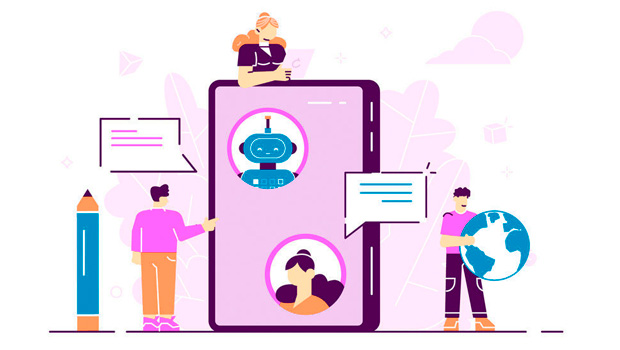
Consumers change, all the time. Telephone use is decreasing, chatbot use to connect with companies is increasing, and 54% of customers say companies have to transform the way they interact with their customers. Companies, for their part, seek to cover users' needs with automation tools that will ultimately translate into revenue and loyalty.
Laura Fabro CMO of Kenwin, a company that works in the development of customer contact, maintains that chatbots are increasingly present in companies, although not everyone still knows what they really are: assistants that communicate with users through messages or, more precisely, a technology that allows you to maintain a conversation with the user through software that is integrated into websites or applications. “The algorithms developed by artificial intelligence and machine learning allow this tool to be able to learn,” he adds. “In fact, chatbots can intuit the habits and understand the tastes and preferences of users.”
These features, along with convenience and ease of access, meant that during 2020 almost twice as many consumers used this medium compared to previous years. A study indicated that 78% of users acknowledge having interacted with a chatbot when communicating with a brand's customer contact department. This is because the tool eliminates the waits that other media often present, and also because personalized communication encourages user use and increases the chances of finding the desired solution.
Everything indicates that companies will continue betting on this technology that is perfected and provides advantages in many aspects:
Increase in sales
Increased conversion
Increased customer retention
Increase in customer satisfaction
Increase in brand reputation.
Despite this constant increase, which is contrasted with the decrease in the use of the telephone, which continues to be the first option, customer satisfaction today is generally low. “Only 50% of consumers are satisfied or very satisfied with the chatbot experience, while one in three is actively dissatisfied,” closes Fabro. And he recognizes that this can be explained for many reasons, mainly linked to the flow of the conversation and understanding until what is required is resolved.



Latest news

Outstanding sector