5 forces that are revolutionizing retail and redefining the customer experience
The transformation of retail is no longer measured only in sales, but in the ability of brands to generate memorable, agile and empathetic experiences. In this new scenario, technology stops being an operational support and becomes the great enabler of more human links between consumers and brands.


Softtek, a global software engineering company, identified in its recent white paper “Accelerated Customer Experience (ACX)” las five technological forces that are redefining the shopping experience and setting the course towards a more connected, anticipatory and emotional retail. "Today, the key is to design interactions that convey care and trust, where technology facilitates and does not complicate. These trends are clear signs of where retail is moving and what consumers expect," says Rosana Gómez Quintana, global director of the Retail Center of Excellence at Softtek.
1. Micro-tribalization: Mass marketing loses ground to smaller communities, united by shared interests and values. Thanks to artificial intelligence and predictive analytics, brands can identify actionable micro-groups and create culturally relevant experiences that strengthen belonging and co-creation. Softtek observes that the majority of members of these microtribes accept the presence of brands in their community, as long as they reflect their values. Consequently, loyalty is measured less by reach metrics and more by engagement and affinity indicators.
2. Anticipatory experience: Advanced analytics allows you to detect intentions and resolve friction before the user notices them. In this way, the experience goes from being reactive to proactive. According to the Softtek study, 85% of companies that apply predictive ACX models report greater growth in sales, and 61% of consumers perceive these brands as more approachable and proactive. "Turning data into useful actions in real time is what differentiates a customer who leaves from one who returns. Anticipating is showing care and generating trust," adds Gómez Quintana.
3. Integrated platforms: Las Customer Data Platforms (CDP) and other unified data architectures are the backbone of personalization at scale today. By integrating marketing, sales, service and operations, they enable more agile decisions and coherent omnichannel orchestration. Companies that operate with CDP register Up to nine times more growth in customer satisfaction and an increase of 4.9 times in cross-sell and upsell revenue.
4. Emotional AI: Detecting and responding to affective cues—such as tone of voice, microgestures, or expressions—opens a new frontier in experience design. The Emotional AI introduces empathy into digital environments and allows technology to amplify the human rather than replace it. Successful implementations already show 40% increases in customer satisfaction y reductions close to 30% in user loss. “Used with transparency and good governance, emotional AI can make digital convey care and improve the customer experience,” says the specialist.
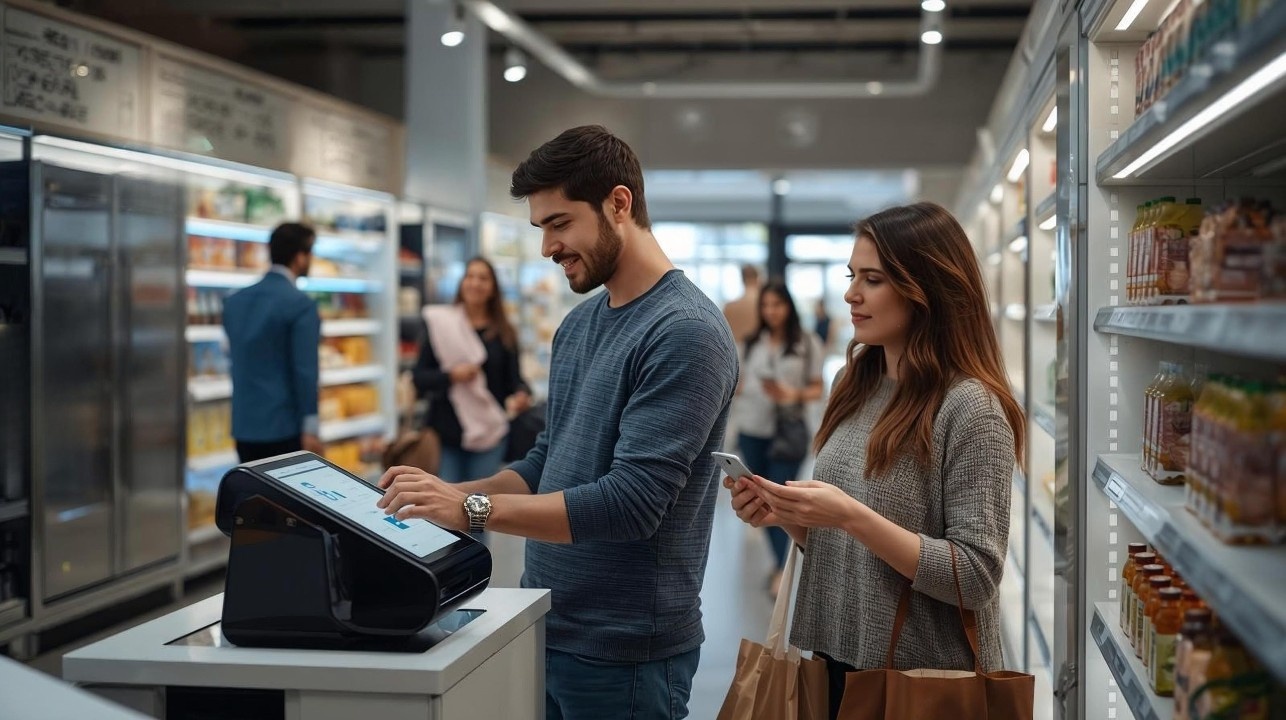
5. Zero Friction Tech: Intelligent automation, biometrics, IoT and automatic payments drive a nearly invisible purchasing journey, where every interaction is fast and consistent. In an environment where immediacy is the norm, companies that achieve reducing friction significantly improves customer retention and satisfaction.
Beyond the complexity involved in adopting these technologies, Softtek highlights that the results are immediate: companies that implement this agenda achieve investment returns greater than 300% y They recover the investment in less than six months. “In an industry where the consumer is increasingly demanding, offering a simpler and safer experience becomes a strategic differentiator that directly impacts income and customer loyalty,” concludes Gómez Quintana.




Latest news




Outstanding sector